
Start with a secure fit before you hit the trail
Sunglasses for hiking trails need to stay put through sweat, scrambles, and sudden stops. Before you leave the trailhead, put your frames on and test them: tilt your head down, shake it gently side to side, and check that the frame doesn’t slide or press behind your ears. If you need to push them up constantly, they’ll distract you from the trail and may end up in your hand instead of on your face.
The National Park Foundation collection from goodr is built for hiking, kayaking, climbing, and campfire downtime—so the fit check matters whether you’re on a switchback or a boat ramp. Adjust your hat or headband first; bulky layers can change how the temples sit. Then confirm the frame clears your cheeks and doesn’t rub against your brow.
A trailhead routine for your sunglasses
Use this simple sequence each time you head out. It keeps your national park hiking sunglasses ready without adding fuss to your pack-up.
- 1. Check the frame and lenses before packing: Look for debris or smudges before you leave. A quick visual check helps you avoid wiping grit across the lens later with a rough cloth.
- 2. Put them on before you start moving: Settling your sunglasses while standing still is easier than adjusting them mid-trail. Confirm the fit with a gentle head tilt.
- 3. Store them safely when you take them off: Use a case or a dedicated pocket—not the bottom of a pack where keys and water bottles can scratch the lenses.
- 4. Recheck after layers change: Adding or removing a hat, buff, or hood can shift the fit. A quick reset keeps the frame comfortable and secure.
The National Park Foundation frames in context
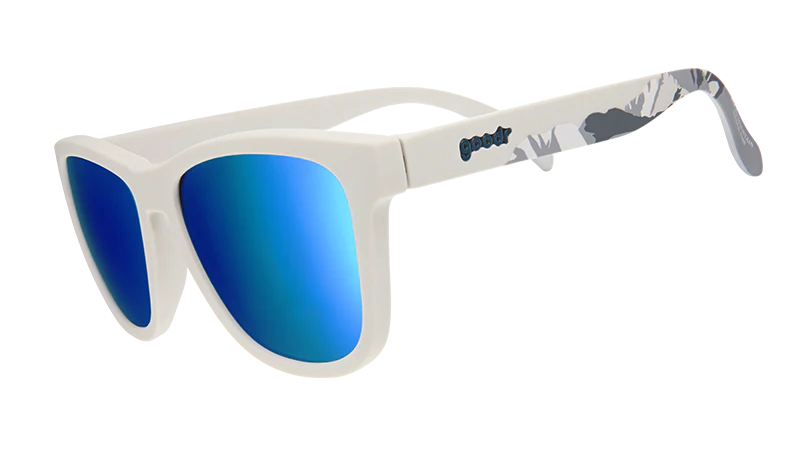
- Rocky Mountain National Park: The Rocky Mountain National Park frame is part of a nine-piece collection inspired by different national parks and made for hiking, kayaking, climbing, and campfire downtime. Knowing the intended activities helps you match the frame to your day and treat it as trail gear rather than a fragile accessory.

Rocky Mountain National Park - Rocky Mountain National Park: The collection is available in a Light Gray color option. Color choice is a practical cue when you’re coordinating with hiking layers or picking a pair you’ll easily spot in your pack.
Lens care that respects the trail
Dust, sunscreen, and sweat are part of any hike. The safest habit is to rinse or brush off loose grit before wiping. Use a clean microfiber cloth and light pressure; grinding sand into a lens is the fastest way to create permanent scratches. If you’re in a dry, dusty area, a quick blast of air or a gentle brush beats a dry shirt-tail wipe.
When you stop for a snack, avoid setting your sunglasses lens-down on a rock or picnic table. That’s where trail etiquette outdoors overlaps with gear care: leave the spot cleaner than you found it, and leave your lenses unscratched. The supplied product information does not include a specific cleaning procedure, so stick to gentle, common-sense handling rather than harsh cleaners or rough materials.
UV protection and shared-trail awareness
UV protection hiking sunglasses do more than cut glare; they help you see trail texture and obstacles in bright conditions. The National Park Foundation collection is described as sunnies for outdoor activities, but the supplied information does not confirm specific UV ratings or lens technologies. If UV protection is a must-have for your hike, check the product label or packaging for the manufacturer’s stated rating before you rely on it.
On shared trails, keep your attention on other users. Sunglasses that stay on while hiking should not need constant adjustment, so practice your fit check before you’re in a narrow section or near a blind corner. When you pass hikers, bikers, or horseback riders, a quick glance and a steady line matter more than any accessory.
Kayaking, climbing, and campfire transitions
The same frames are listed as good for kayaking and climbing. For water, secure your sunglasses before you launch—ideally with a retainer or a secure pocket when you’re not wearing them. For climbing, check that the frame doesn’t interfere with your helmet or harness straps; adjust before you leave the ground. At camp, take your sunglasses off before leaning over a fire or handling hot cookware, and store them away from heat.
The supplied information does not include weather ratings, floatability, or safety-critical setup instructions, so treat those as open questions and use your own judgment. The collection is designed for outdoor fun, not as a substitute for activity-specific safety gear.
A simple etiquette checklist for your next hike
Before you go: confirm fit with a head tilt, clean lenses with a soft cloth, and pack a case. On the trail: keep your sunglasses on your face or in a safe spot, not dangling from a pocket where they can fall. At stops: set them lens-up or in a case, and pack out any wrappers or trash. After the hike: wipe off sweat and dust, then store them where they won’t get crushed.
The National Park Foundation frames give you a way to carry a little park inspiration onto the trail. Pair that with respectful habits—yielding to others, staying on durable surfaces, and keeping your gear secure—and your sunglasses become part of a smoother day outside.

