
What Causes Lens Fogging?
Sunglasses fog up when warm, moist air hits a cooler lens surface, condensing into tiny water droplets. This happens most often when you transition from cold to warm environments, during physical activity, or when your breath is trapped behind the lenses. The result is a blurry view that can be frustrating and even unsafe.
Quick Anti-Fog Tips That Work
To prevent fog, start by keeping your lenses clean. Dirt and oils give moisture more places to cling. Use a microfiber cloth and a gentle lens cleaner designed for sunglasses. Avoid touching the lenses with your fingers. If fogging persists, try a commercial anti-fog spray or wipe. For a DIY approach, a drop of mild dish soap rubbed onto the lenses and then buffed dry can create a temporary anti-fog barrier.
Choosing Frames That Reduce Fog
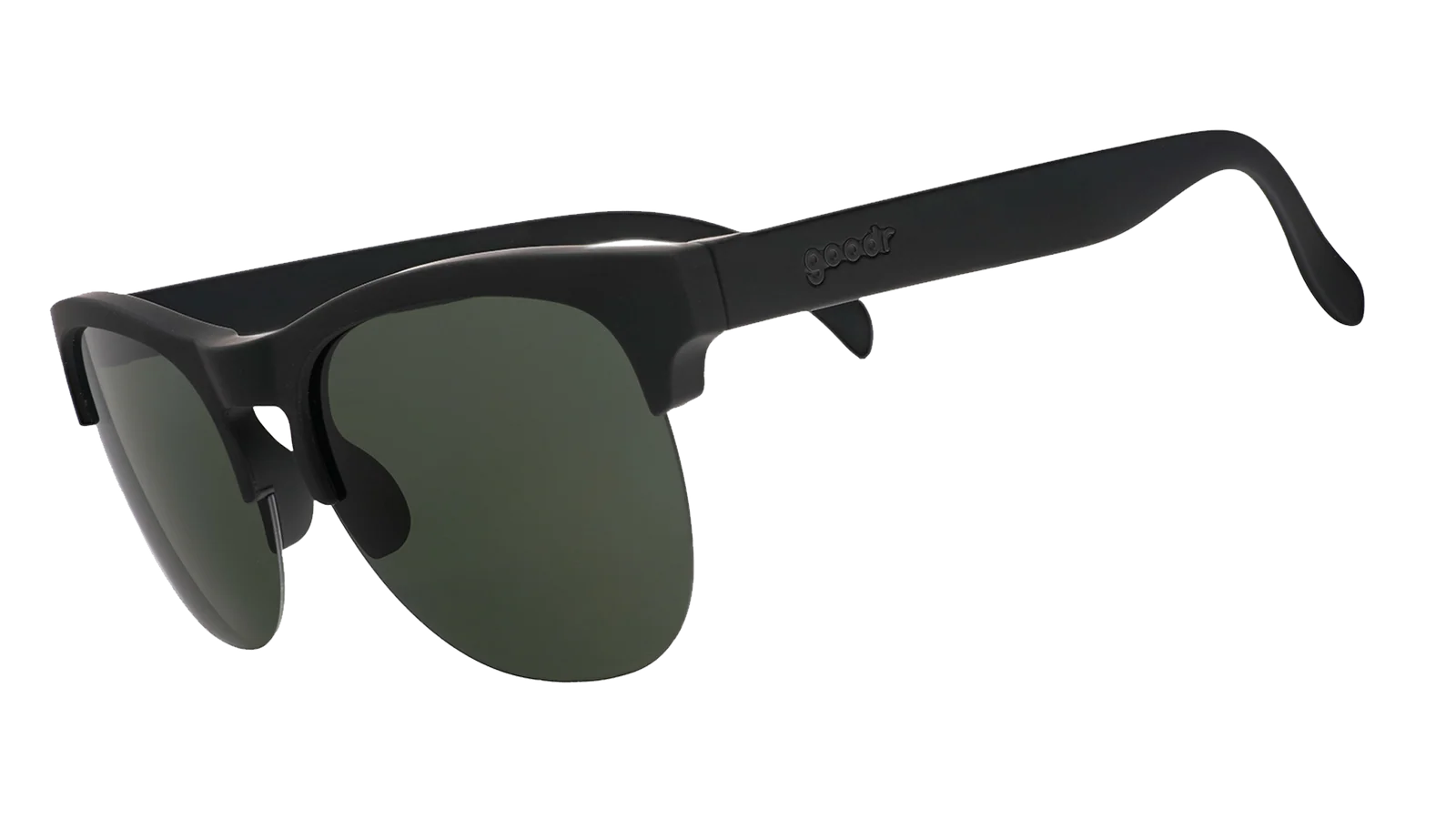
Frame design plays a role. Half-rim or rimless styles allow more airflow, which helps moisture evaporate. The Members Only Misfit Avant G from goodr features a matte black half-rim frame with dark green non-reflective lenses. Its open top lets warm air escape, naturally reducing the chance of fog buildup compared to fully enclosed frames. This makes it a practical choice for everyday wear and outdoor activities.
Product Facts: Members Only Misfit Avant G
- Members Only Misfit: These matte black half-rim sunglasses with dark green non-reflective lenses are serving timeless style with a modern twist. The half-rim design promotes airflow, which can help minimize lens fogging during temperature changes or activity.

Members Only Misfit
What to Avoid When Dealing with Fog
Do not use household glass cleaners, paper towels, or abrasive cloths on your lenses. These can damage lens coatings and make fogging worse. Also avoid extreme temperature changes like leaving sunglasses in a hot car; this can warp frames and degrade anti-fog treatments. Stick to the care instructions provided by the manufacturer to keep your lenses clear and scratch-free.

