
Why Aviator Sunglasses Fog on Planes
Aviator sunglasses are a classic choice for travel, but many people experience fogging when wearing them on a flight. The main reason is the rapid change in cabin humidity and temperature. When you step from the dry airport into the humid aircraft cabin, or when your face warms up after boarding, moisture condenses on the cooler lens surface. This is especially common with large aviator lenses that sit close to your face, trapping warm air.
The shape of aviator frames also plays a role. Their teardrop design often leaves less room for airflow between the lens and your face compared to smaller or more vented styles. Without enough ventilation, the moisture from your breath and skin has nowhere to escape, leading to fog.
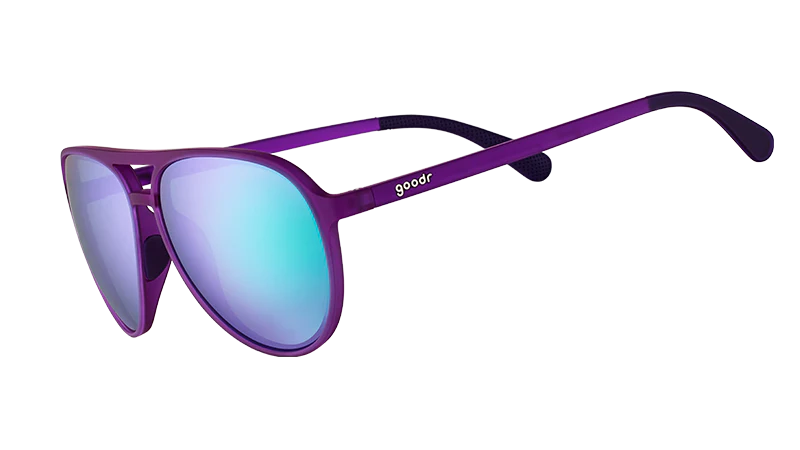
What the It's Octopuses, Not Octopi Frame Offers
- It's Octopuses, Not Octopi: The frame features a no slip, no bounce design that stays in place even when you sweat. A secure fit reduces the gap between the lens and your face, which can actually worsen fogging if the frame is too tight. However, the non-slip grip helps keep the sunglasses positioned correctly, so you can adjust them for better airflow.

It's Octopuses, Not Octopi - It's Octopuses, Not Octopi: UV400 protection keeps your eyes safe. While UV protection is essential for outdoor use, it doesn't affect fogging. The key takeaway is that you don't have to compromise on eye safety when choosing an anti-fog solution.
How to Reduce Fog on Aviator Sunglasses
You can minimize fogging without changing your frames. Start by ensuring the sunglasses fit well but not too tightly. A frame that presses against your cheeks or eyebrows traps heat and moisture. If your aviators have adjustable nose pads, tweak them to create a small gap for airflow.
Another effective method is to apply a thin layer of anti-fog spray or wipes specifically designed for eyewear. These products create a hydrophilic coating that spreads moisture into a transparent layer instead of droplets. Avoid using soap or household cleaners, as they can damage lens coatings.
During the flight, try to keep the lenses at a stable temperature. Removing your sunglasses when entering the cabin and letting them acclimate for a minute can prevent sudden condensation. If fog does appear, gently wipe the lenses with a microfiber cloth rather than your sleeve.
Aviator vs. Sport Frames: Fogging Differences
Aviator frames are not designed for high-intensity activity, so they lack the ventilation channels found in sport sunglasses. Sport frames often have rubberized nose pieces and temple vents that actively channel air. Aviators rely on a more open fit, which can be both a benefit and a drawback depending on your face shape.
If you frequently experience fogging on flights, consider whether the aviator style is the best choice for your face. A slightly smaller frame or one with a more pronounced bridge might allow better airflow. The It's Octopuses, Not Octopi model, with its no slip, no bounce frame, offers a secure fit that can be adjusted for comfort.
- Aviator frames: Large teardrop lenses, minimal ventilation, classic style. Fogging risk is higher due to trapped warm air.
- Sport frames: Often include vented lenses or frame channels. Designed for active use where fogging is common. More breathable but less classic look.
When to Consider a Different Frame
If you've tried anti-fog products and fit adjustments but still struggle with fogging, your face shape or the specific frame geometry might be the issue. Aviator frames with a lower bridge or wider lens can trap more heat. Trying a different aviator model with a more open design or switching to a sportier frame could solve the problem.
The It's Octopuses, Not Octopi sunglasses are a fun, secure option for travel, but they share the same basic aviator silhouette. If you love the look but need better airflow, look for aviators with a higher bridge or smaller lens size. Ultimately, the best solution is a combination of proper fit, anti-fog treatment, and understanding the conditions that cause fogging.

