Square vs. Round Sunglasses for Active Lifestyles: Stability, Coverage, and Style Compared
By goodrhub | Published: 2026-06-03
Category: Product Reviews
Compare square and round sunglasses for active lifestyles: stability, coverage, and style for sports and outdoor use. Find your perfect frame.
When you're out running trails, cycling through winding roads, or just power-walking through a sunny park, your sunglasses need to keep up. They shouldn't slide down your nose, fog up mid-stride, or leave your eyes feeling exposed. Two frame shapes dominate the active lifestyle eyewear conversation: square and round. Each brings distinct advantages in terms of stability, coverage, and style. Whether you're a weekend warrior or a daily athlete, understanding the differences can help you choose a pair that performs as hard as you do.
Why Frame Shape Matters for Active Lifestyles
Frame shape isn't just about looks. It directly affects how your sunglasses sit on your face, how much peripheral vision you have, and how well they block wind and debris. For active use, a secure fit and broad coverage are non-negotiable. Square frames, with their angular lines and often larger surface area, offer a different feel than round frames, which tend to be lighter and more retro. Let's break down the key factors.
Stability and Grip During Movement
If you're running or jumping, the last thing you want is to adjust your glasses every few minutes. Square sunglasses generally have wider temples and a more structured frame that hooks securely behind the ears. Many square designs also include rubberized nose pads and temple tips, which add friction. Round sunglasses, especially classic wire-frame styles, can be lighter but sometimes lack the same level of grip. However, modern round frames for sports often come with adjustable nose pads and more substantial temples to improve hold. For high-impact activities like volleyball or trail running, a square frame's broader contact points often provide superior stability.
Coverage and Protection
Coverage is critical for blocking UV rays, wind, and dust. Square frames typically have a larger lens surface area, wrapping more around the face. This design reduces the amount of light entering from the sides, which is great for bright, open environments like beaches or golf courses. Round frames, by contrast, have a smaller profile. While they can still offer 100% UV protection if the lenses are correctly treated, they leave more of the eye area exposed. For cyclists who need to shield their eyes from wind at high speeds, square or even shield-shaped frames are often the better choice.
Square Sunglasses: The Powerhouse for Sports
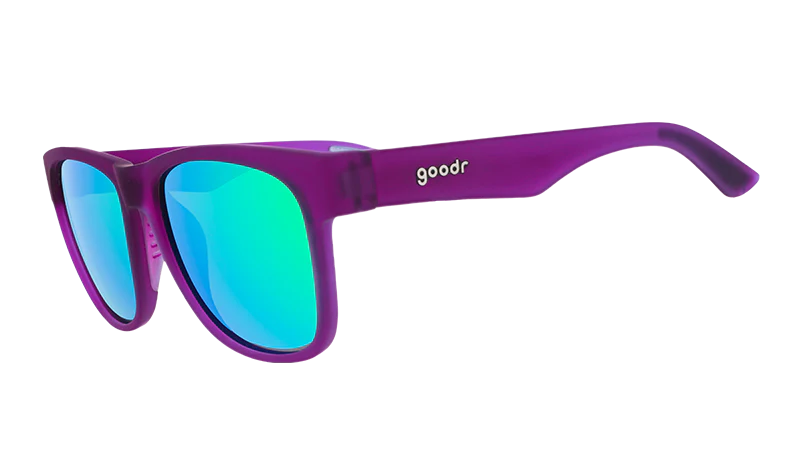
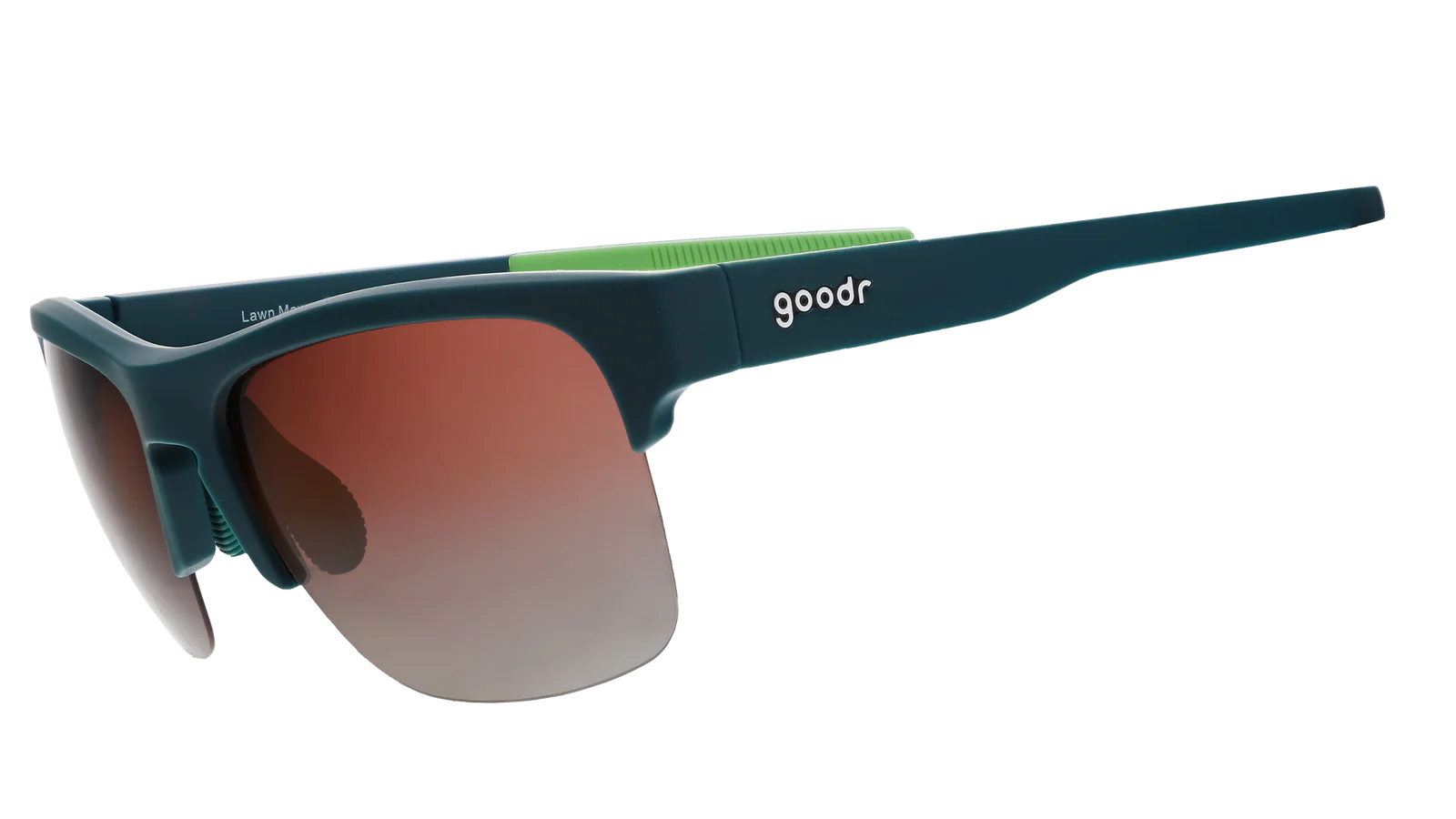
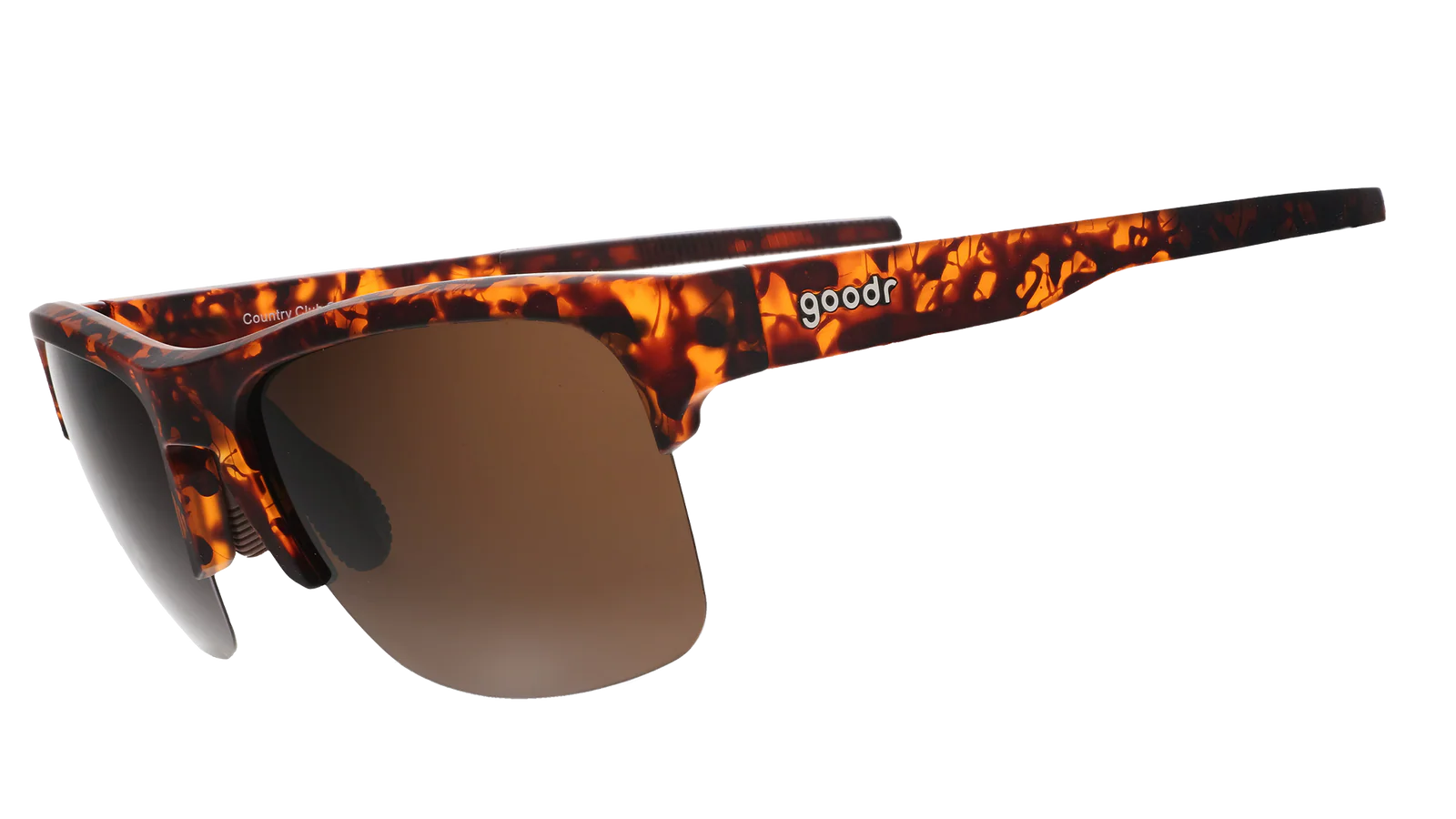
Square sunglasses are a top pick for athletes who demand maximum coverage and a secure fit. The angular shape complements many face types, especially round or oval faces, by adding structure. In the active lifestyle category, square frames are often paired with advanced lens technologies like photochromic tints or polarized filters.
Take, for example, the square AMP G model, which combines a durable frame with a snug fit for high-energy activities. Similarly, the square BFG offers broad lenses that minimize glare and maximize peripheral vision, making it a strong contender for running and cycling. These frames are built to stay put, even during intense movement.
Best Sports for Square Sunglasses
- Cycling: The wide coverage blocks wind and debris effectively.
- Running: Stable temple arms prevent bouncing.
- Golf: Polarized square lenses reduce glare from grass and water hazards.
- Beach volleyball: The larger lens area protects against sand and sun.
Round Sunglasses: Lightweight and Versatile
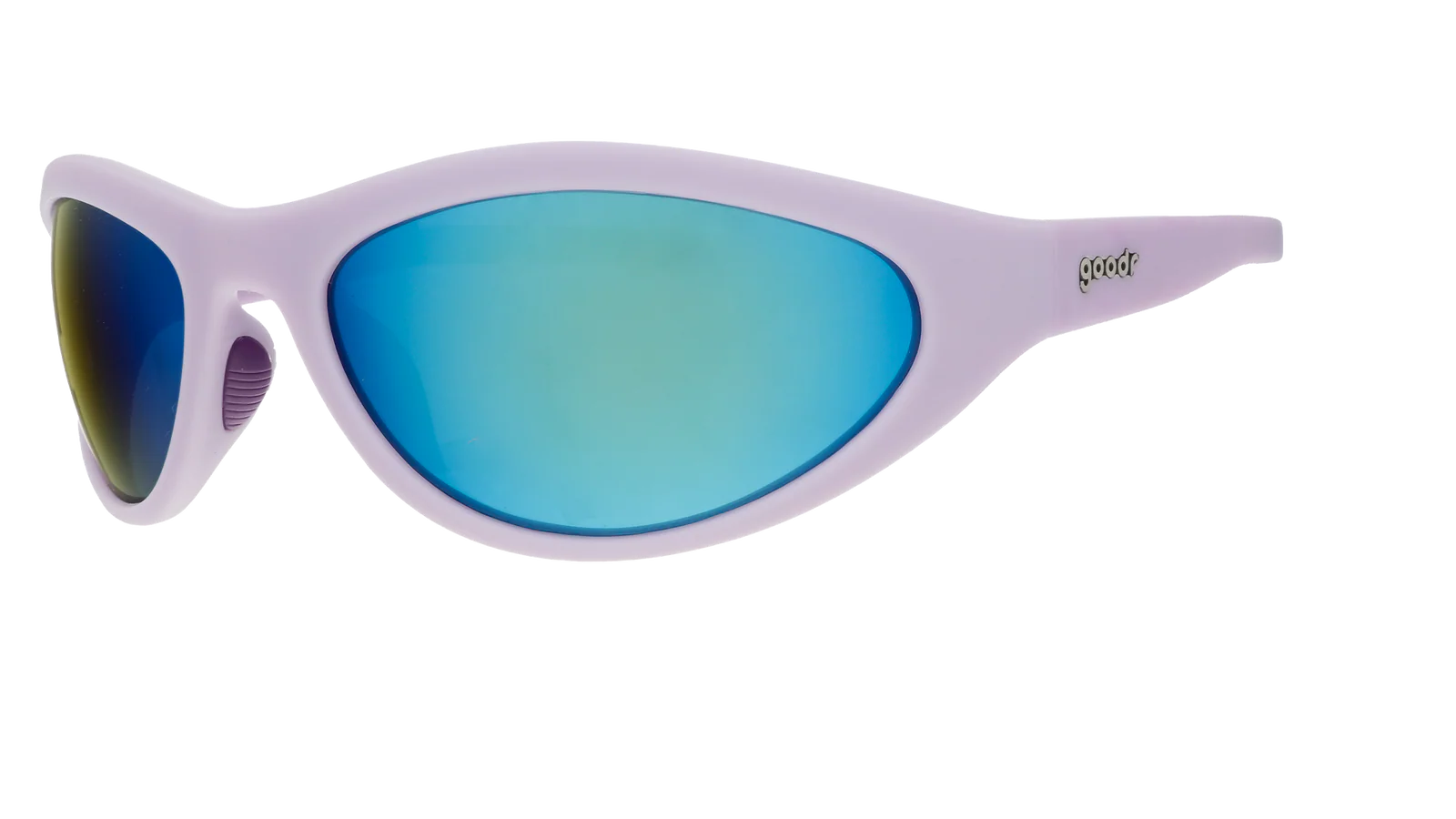
Round sunglasses have a timeless appeal, but they're not just for fashion. When designed for sports, they can be surprisingly effective. Their lighter weight makes them a favorite for long endurance events where every gram counts. Round frames also tend to sit closer to the face, which can reduce the chance of fogging in humid conditions—a major plus for trail runners and hikers.
Modern round sports models, such as the round BEAT G, feature slim arms and adjustable nose pads for a custom fit. The round BUG G is another option that combines retro style with modern grip technology, ideal for those who want a lighter feel without sacrificing performance. These frames are particularly good for low-light activities, as the smaller lens area can be paired with clear or yellow lenses to enhance contrast.
Best Sports for Round Sunglasses
- Running on trails: Lightweight and less intrusive for long runs.
- Hiking: Comfortable for all-day wear under a hat.
- Casual cycling: Good for slower, scenic rides where wind isn't a factor.
- Yoga and fitness classes: Stable enough for indoor movements.
Style and Face Shape Considerations
While performance is key, you also want to look good. Square frames work well on round or heart-shaped faces, adding angles that balance soft features. Round frames, on the other hand, soften angular faces and are classic on oval face shapes. If you switch between sports and everyday wear, consider a versatile pair. For instance, the square FLEX G offers a sporty yet stylish look that transitions from the gym to the street seamlessly.
Lens Technology: What to Look For
Both square and round frames can be equipped with advanced lenses. For active lifestyles, look for these features:
| Lens Feature | Benefit | Best For |
|---|---|---|
| Polarized | Reduces glare from water, snow, and roads | Cycling, fishing, driving |
| Photochromic | Automatically adjusts tint to light conditions | Trail running, hiking, golf |
| Anti-Fog | Prevents condensation during high exertion | Running, cycling in humidity |
| Scratch-Resistant | Extends lens life during rough use | All sports |
For example, if you often run at dawn or dusk, a round frame with photochromic lenses can give you clear vision without swapping glasses. Conversely, a square frame with polarized lenses is hard to beat for a bright day on the golf course.
Durability and Materials
Active sunglasses take a beating. Square frames often use thicker, more robust materials like TR90 or Grilamid, which are lightweight yet impact-resistant. Round frames may use thinner wire or plastic, but many sports-oriented models are now made with flexible polymers. Always check for hinge quality and temple construction. A reinforced hinge can prevent breakage when you're on the move.
How to Choose: Square vs. Round for Your Activity
Here's a quick guide to help you decide:
- Choose square sunglasses if: You need maximum coverage, a secure fit for high-impact sports, or you have a round or oval face shape.
- Choose round sunglasses if: You prioritize lightweight comfort, low-light activities, or a classic style that works off the field.
Ultimately, the best frame is the one that fits well and matches your primary activity. Don't be afraid to try both shapes. Many athletes even keep a pair of each for different conditions.
Final Thoughts: Find Your Perfect Frame
Square and round sunglasses each bring unique strengths to an active lifestyle. Square frames offer superior coverage and stability, while round frames provide lightweight versatility and timeless style. The right choice depends on your sport, face shape, and personal preference.
Ready to elevate your game? Explore the square FLEX G for a sporty, flexible option that adapts to your moves. Whether you hit the trails, the court, or the pavement, goodrhub has the eyewear to keep your vision sharp and your style on point.